Via Yahoo!
Friday, August 25, 2006


Saturday, August 12, 2006

Wednesday, August 09, 2006
Not mindless mimics

The image of parrots as mindless mimics has been challenged by a 30-year study that has found they can add, recognise shapes and colours and identify up to 100 different objects. The scientist publishing the research says that parrots, whose brains are almost the size of walnuts, compare with chimpanzees and dolphins in having a level of intelligence similar to that of small children. Their communication skills are similar to those of a two-year-old child, but their adding and ability with colours and shapes are more like a five or six-year-old, said Irene Pepperberg, associate professor of psychology at Brandeis University in Waltham, Massachusetts, U.S.
She carried out her research with African grey parrots. Although her work was ridiculed at first, the depth of research has gained the respect of other scientists, who increasingly accept her arguments. Professor Pepperberg will publish her latest results in the journal Applied Animal Behaviour Science. Alex, the most accomplished of her birds, is able to name seven colours and five shapes and count or add up to six. He can identify, request and refuse about 100 different objects and uses phrases such as come here and wanna go. He can also understand concepts such as zero, objects being bigger and smaller than one another, and the same or different. In one experiment, Alex was presented with collections of four, five and six blocks of three different colours and was able to provide the correct answer: Four blue.
Thursday, August 03, 2006
Multiple Intelligences
I want my children to understand the world, but not just because the world is fascinating and the human mind is curious. I want them to understand it so that they will be positioned to make it a better place. Knowledge is not the same as morality, but we need to understand if we are to avoid past mistakes and move in productive directions. An important part of that understanding is knowing who we are and what we can do... Ultimately, we must synthesize our understandings for ourselves. The performance of understanding that try matters are the ones we carry out as human beings in an imperfect world which we can affect for good or for ill. (Howard Gardner 1999: 180-181)
[VIA The CosmicCode Institute]
Friday, July 28, 2006
Sleeping away their blues

Humans are not the only creatures who love their sleep. Animals too love tosleep, though their sleeping routine follows a strange pattern. We know that bears, ground hogs and opossums sleep all through winter. Though once in a while they do wake up. Can you believe that there are a few animals that sleep or hibernate right into spring without opening their eyes even once? These great sleepers are woodchucks and ground squirrels, their body temperatures dropping to near freezing point while they hibernate. Though a woodchuck may be the longest sleeper in the animal kingdom, they are in no way the strangest. The extremely naughty and playful sea otter takes his much needed sleep floating on its back in the water. The sea otter anchors itself to a piece of seaweed so that it will not drift off while sleeping. The otter's fine fur keeps the animal warm and cosy during its watery nap.
Bats sleep while hanging upside down and their favourite places are caves. Fish sleep with their eyes wide open, because the poor creatures have no eyelids to shut. But there is a particular type of fish that does not sleep at all. You guessed it, it is the shark.
The Alaskan blackfish takes the prize for being the strangest sleeper. When the cold Arctic winter comes, the waters, which are home to the blackfish, freeze. The black fish too freezes. Most people would assume that the black fish is dead. But the blackfish does not die but is in a state of suspended animation. Because a few months later with the arrival of spring the ice starts to melt and the black fish comes back to life. The walrus, like the whales and seals, enjoys travelling solo in the sea. But when it is time to snooze they all group together. They use their tusks to pull themselves up onto ice floes and lie down for a snooze, sometimes several hundred of them on one floe! All through the night members of the group take turns watching for attacking polar bears and killer whales. If one is spotted the guard flops over his friends and dives into the water, followed by his sleepy companions.
Thursday, July 20, 2006
Wednesday, July 19, 2006
The Voices of Freedom
The Indian Government has taken a harsh decision by banning blogs hosted on Blogger.com and Typepad.com.
Various Indian bloggers are voicing their opinion and documenting the unraveling events at;
[Bloggers Against Censorship].
Please support them in this fight to redeem their blogging freedom. It might and can happen anywhere in the world.
[+] Bloggers Against Censorship
[+] Press Coverage of the Ban
[+] Global Voices Online
Various Indian bloggers are voicing their opinion and documenting the unraveling events at;
[Bloggers Against Censorship].
Please support them in this fight to redeem their blogging freedom. It might and can happen anywhere in the world.
[+] Bloggers Against Censorship
[+] Press Coverage of the Ban
[+] Global Voices Online
Tuesday, July 11, 2006
Stay healthy - Eating and Drinking Cancer away
Cancer is as common as Fever now a day. What is cancer: It is a group of diseases in which abnormal cells accumulate more than normal and can spread to other parts of the body
Let help ourselves from now on at least in things that we know can produce cancer. Cancer happens when we have wrong inputs to our body. Our body is Gods temple and we need to take care of it……….well. God did not create the human body to suffer from cancer, heart attacks, or strokes, can we try to return the body to its original state
We know that a good, balanced diet helps to maintain health. But how our bodies react to food when it reaches the bacteria of our digestive system remains a great mystery. Doctors claims there are more bacteria in and around us than there are cells in our body. It is a new area of science with enormous potential for significant advances in health promotion.
Lets see how mandatory and useful these tips are to be healthy.
1) Do not use plastics in the Freezer at all. It will be much cheaper to buy containers that are made of glass than to pay for in Hospitals. At freezing temperatures plastic produces substance (called dioxines) which is not good for our health and is cancerous. Some food comes with a thin plastic wrapper on it. Never keep that plastic wrapper at on the food in the refrigerator. Remove it and keep the food.
2) Do not heat or cook in Microwave using plastic container at all even if they are compatible. Use glass or porcelain instead. Plastic produces the same substance called dioxins, as in Freezer, in Microwave temperatures which are cancerous. Also they have an influence in the development of the fetus and our children endocrine balance.
3) Do not use mobile for longer durations to speak. 15 min should be the maximum. If we know that it will take more then 15 min. then let’s use Land phone or talk later. It is said that it is better if we use the mobile on the left ear rather than the right ear since it affects the brain directly. Your tariff rates could be much cheaper like the current Re1. Per Minute etc. Do not fall for it.
4) Do not keep on using the empty plastic bottles of distilled water for our daily use at home. Do not use it for more than one or two weeks.
5) Water, while not listed in the food guide pyramid it is quite possibly the most significant nutrient we as humans require. We are made up of about 60% water (H20), somewhere around 84% of our blood is water, 22% of our bone and 75% of our muscles are water.
6) Drink lot of water each day. Make it a habit to take a glass of water in empty stomach in the morning itself.
7) Water comes in different flavors: natural mineral water, pure water, distilled water, filtered water and on and on. Some have natural carbonation and some have it added prior to bottling. carbonized water which contained benzene are Poisonous . Benzene is a poison known to cause cancer and was found in rather high levels as a contaminant of water as a consequence of their carbonation process.
8) If you store water in Plastic container clean and disinfect his or her container regularly at least once in a month or two using your hand. Repeated washing and rinsing can cause the plastic to break down and the carcinogens (cancer-causing chemical agents) can leach into the water that YOU are drinking. Many are unaware of poisoning caused by re-using plastic bottles. Some of you may be in the habit of using and re-using your disposable mineral water bottles (eg. Evian, Aqua, Ice Mountain, Vita, etc), keeping them in your car or at work. Not a good idea. In a nutshell, the plastic (called polyethylene terephthalate or PET) used in these bottles contains a potentially carcinogenic element (something called diethylhydroxylamine or DEHA). The bottles are safe for one-time use only; if you must keep them longer, it should be or no more than a few days, a week max, and keep them away from heat as well. Better to invest in water bottles that are really meant for multiple uses. This is not something we should be scrimping on.
9) Some of the fast food restaurants moved away from the foam containers to paper. The dioxin problem is one of the reasons. But I have seen people having food in news papers too. The printing ink contains lots of unhealthy compounds which are really bad for our health.
10) Before we go in detail, an: Eating Guide line – “Eat Breakfast like a King and Lunch like a Noble man and dinner like a beggar”. Meaning have good solid breakfast and sufficient Lunch and less of dinner. Morning Breakfast should give us the strength to work for the day and lighter dinner means we do not need extra calories to sleep. But I have generally seen that the eating habits are the reverse order.
11) Eat food with lot of fiber. Good sources of fiber are found in Fruits and vegetables. The low level of fiber prevents the colon in our body from cleaning itself. This results in a buildup of toxic matter in the colon. The buildup of toxic matter in the colon can lead to many health problems, the most serious of which is colon cancer. A toxic body also means a weakened immune system and the body's inability to fight disease and illness.
12) General Health : Felicia Cosman, M.D., clinical director of the Foundation, reported recently on a study that confirmed that on a long run women who sit more than nine hours a day were reported to be 50 percent more likely to suffer a hip fracture than those who sit fewer than six hours a day. Get our joints moving! Power walking is an important exercise.
13) Having a full-term pregnancy before age 30 may decrease the risk for developing breast cancer.
14) Breast-feeding may decrease the risk of breast cancer. The benefit appears to be greatest in women who have breast-fed for longer than 12 months or who breast-fed several children.
15) No alcohols or consume less and No smoking (“Give up now and greatly reduce your risk of cancer”). Alcohols and smoking are cancerous especially for women. It is said that it increases the chances of breast cancer. But Red grape wine is good for preventing Cancer
16) Grapes and button mushrooms are good to prevent Cancers. We need to wash them properly due to pesticides that we apply on them. Eating grapes and mushrooms jam-packs us with nutrients, vitamins, and anti-oxidants that help combat infections, prostate cancer, coronary heart disease, and cardiovascular disease. Green onions, celery, bell peppers, carrots, and broccoli proved themselves as essential ingredients to a vitamin-filled diet but they do not help preventing cancer.
17) All cooking oils are bad for health but it’s good to use Olive oils at least 10 days out of 30 days. Olives are good brain food, Some other brain food are Walnuts, Raisons,Badam, Poppy seeds(less qty only), fig etc
18) Protect yourself in the sun and take care not to burn. Skin cancer is a largely preventable disease, but the number of cases has more than doubled so Protect yourself from the sun and harmful UV (esp 11:00 A.M to 3:00 P.M remember to take extra care with children) but research suggests that fifteen minutes a day of direct exposure to sunshine may be beneficial in the prevention and treatment of many forms of cancer. Vitamin D, also known as the “sunshine vitamin”, our skin absorbs the rays and produces vitamin D.
19) If you snack, choose a healthy option such as fresh fruit or low calorie yogurts instead of chocolate or crisps.
20) Talking about fresh foods, oranges, peas, and cauliflower contain a very high capacity of antioxidant. One of the ways of preventing cancer is by taking antioxidant. Our body naturally produces chemical elements (reactive molecules) called free radicals. They can cause permanent damage to our cells. Cancer, aging, and cardiovascular disease are the causes of this damage. To protect us from these diseases, antioxidant plays a great role. What you might not know is that antioxidant may prevent prostate cancer, which is mostly found in men. Antioxidant protects body cells from the bad impacts of free radicals, such as pollution, exhaust fumes, radiation, certain drugs, chemical exposure, and even processed food
21) Don’t heap food on your plate (except vegetables). Think twice before having second helpings. It good to stop eating when you burp.
A portion of Healthy Food. This is roughly equal to:
an apple, orange, banana, or similarly-sized fruit
two plums, nectarines or similarly-sized fruit
a handful or grapes or berries
a slice of melon, pineapple or large fruit
one tablespoon of raisins or other dried fruit
two serving spoons of cooked vegetables, e.g. broccoli or carrots
a dessert bowl of salad
two serving spoons of beans and pulses (only one portion per day)
a 150ml glass of fresh fruit juice or smoothie (only one portion per day)
Beans, pulses can only count towards one portion a day. This is because they are high in fiber but don’t contain the same balance of nutrients as other fruit and vegetables.
Fruit juice can also only count towards one portion a day. This is because they are high in nutrients but low in fiber. And extracting the juice releases sugars which are bad for your teeth.
Mushrooms can also count towards your portions. But try not to fry them in lots of oil as they will readily soak it up.
22 ) If we eat foods that are as close to the state nature produces them we are most likely to get the nutrients we need together with all the other factors our bodies need to use them. This is crucial to any cancer diet.i.e Do NOT OVER COOK.
Ex. A shining example is iron. Our bodies need Vitamin C in order to assimilate iron. However, there are still iron supplements on the market that do not have Vitamin C included in their mix. Now, parsley is a very rich source of iron and, you guessed it, is also full of Vitamin C. To further complicate matters, Vitamin C is heat affected and water soluble, so cooking, particularly in liquids destroys it - hence my assertion that eating foods - in this case parsley - in their natural state is best. Of course this won't work for all foods - potatoes for example - but it is a good strategy to keep in mind when trying to maximize nutrition.
The other reason for eating foods in as near natural state as possible, is that cooking destroys the natural enzymes. Enzymes not only play a crucial role in digestion, and therefore influence the quality of the nutrients we get from our food, but some enzymes, particularly pancreatic enzymes, play a direct role in the fight against cancer.
23) Have no meal without SALADS. The answer to point No. 20. is salads. Using as wide a variety of salad vegetables and incorporating as many different colored salad veggies, is an excellent way to increase your intake of live enzymes But even with hot meals, many raw veggies can be added as a garnish, i.e. parsley chopped up over scrambled eggs. Herbs stirred in a casserole after the heat is turned off. A couple of rings of capsicum on top of cooked fish. Use fruits to dress up a steak or a roast. Even curry leaves can be mixed in low heat. broccoli and cauliflower, celery and carrots in raw form with cottage cheese are good for health. Raw foods into your daily diet, give yourself and your loved ones an edge in the cancer fighting stakes.
24) Phytochemicals are chemicals found in plants that protect plants against bacteria, viruses, and fungi. Eating large amounts of brightly colored fruits and vegetables (yellow, orange, red, green, white, blue, purple), whole grains/cereals, and beans containing phytochemicals may decrease the risk of developing certain cancers as well as diabetes, hypertension, and heart disease. The action of phytochemicals varies by color and type of the food. They may act as antioxidants or nutrient protectors, or prevent carcinogens (cancer causing agents) from forming.
The list below is a partial list of phytochemicals found in foods:
Allicin is found in onions and garlic. Allicin blocks or eliminates certain toxins from bacteria and viruses.
Anthocyanins are found in red and blue fruits (such as raspberries and blueberries) and vegetables. They help to slow the aging process, protect against heart disease and tumors, prevent blood clots, and fight inflammation and allergies.
Biflavonoids are found in citrus fruits.
Carotenoids are found in dark yellow, orange, and deep green fruits and vegetables such as tomatoes, parsley, oranges, pink grapefruit, and spinach.
Flavonoids are found in fruits, vegetables, wine, green tea, onions, apples, kale, and beans.
Indoles are found in broccoli, bok choy, cabbage, kale, Brussel sprouts, and turnips (also known as “cruciferous” vegetables). They contain sulfur and activate agents that destroy cancer-causing chemicals.
Isoflavones are found in soybeans and soybean products.
Lignins are found in flaxseed and whole grain products.
Lutein is found in leafy green vegetables. It may prevent macular degeneration and cataracts as well as reduce the risk of heart disease and breast cancer.
Lycopene is found primarily in tomato products. When cooked, it appears to reduce the risk for cancer and heart attacks.
Phenolics are found in citrus fruits, fruit juices, cereals, legumes, and oilseeds. It is thought to be extremely powerful, and is studied for a variety of health benefits including slowing the aging process, protecting against heart disease and tumors, and fighting inflammation, allergies, and blood clots.
Phytochemicals cannot be found in supplements and are only present in food. Foods high in phytochemicals include the following:
broccoli
berries
soynuts
pears
turnips
celery
carrots
spinach
olives
tomatoes
lentils
cantaloupe
garlic
apricots
onions
seeds
soybeans
green tea
apples
cabbage
Brussels sprouts
bok choy
kale
red wine
25) vitamin C (ascorbic acid)According to the National Cancer Institute (NCI), vitamin C may protect against cancer of the oral cavity, stomach, and esophagus and may also reduce the risk of developing cancers of the rectum, pancreas, and cervix. Also known as ascorbic acid, vitamin C may provide protection against breast and lung cancer.
the following foods are good sources of vitamin C:
one medium orange - 69 mg
1 cup orange juice - 124 mg
1 medium raw green pepper - 106 mg
1 cup raw strawberries - 81 mg
1 cup cubed papaya - 86 mg
1 medium raw red pepper - 226 mg
1/2 cup cooked broccoli - 58 mg
The recommended dietary allowance (RDA) for vitamin C has recently been increased to 75 milligrams per day for women and 90 milligrams per day for men. Safe upper limit = 2.000mg. If on high doses of chemo or nephrotoxins, upper limit = 500mg.
26) Beta caroteneBeta carotene, also known as provitamin A, may help decrease the risk of developing cancer. According to the American Cancer Society, this nutrient may prevent certain cancers by enhancing the white blood cells in your immune system. White blood cells work to block cell-damaging free radicals.
Good sources of beta carotene are dark green leafy and yellow-orange fruits and vegetables. In the body, beta carotene is converted to vitamin A. Eating foods rich in beta carotene is recommended to possibly decrease the risk of developing stomach, lung, prostate, breast, and head and neck cancer. However, more research is needed before a definite recommendation on beta carotene consumption can be made. Overdosing on beta carotene is not recommended. Large doses can cause the skin to turn a yellow-orange color, a condition called carotenosis. High intakes of beta carotene in supplement form may actually cause lung cancer in people at risk, such as smokers, and it is not recommended.While there is a recommended dietary allowance for vitamin A (safe upper limit = 25,000IU or 15mg), there is not one for beta carotene. Examples of some foods high in beta carotene include the following:
carrots
squash
collards
spinach
sweet potatoes
27) Vitamin EVitamin E is essential for our bodies to work properly. Vitamin E helps to build normal and red blood cells, as well as working as an antioxidant. Research is finding evidence that vitamin E may protect against prostate and colorectal cancer. The recommended dietary allowance for vitamin E is 15 milligrams per day. The adult upper limit for vitamin E is 1,000 milligrams per day. Good sources of vitamin E (and the amount each serving contains) include the following:
1 tablespoon sunflower oil - 6.9 mg
1 ounce sunflower seeds - 14 mg
1 ounce almonds - 7.4 mg
1 ounce hazelnuts - 4.3 mg
1 ounce peanuts - 2.1 mg
3/4 cup bran cereal - 5.1 mg
1 slice whole wheat bread - .23 mg
1 ounce wheat germ - 5.1 mg
Since some sources of vitamin E are high in fat. A synthetic form of a vitamin E is available as a supplement. Vitamin E supplementation is probably not needed for most individuals because vitamin E is a fat-soluble vitamin and is stored in our bodies. Very high doses of vitamin E can also interfere with the way other fat-soluble vitamins work. Also, large doses of vitamin E from supplements are not recommended for people taking blood thinners and some other medications, as the vitamin can interfere with the action of the medication. To make sure you are meeting your needs, eat a varied diet that includes whole-wheat breads and cereals.
There is no recommended dietary allowance for antioxidants. Eat a variety of foods, including plenty of fruits and vegetables, to ensure you are getting adequate amounts in your diet.
28) omega-3 fatty acids
Researchers are studying the effects omega-3 fatty acids have on delaying or reducing tumor development in breast and prostate cancer. Since our bodies cannot make omega-3 fatty acids, we must get them from food or supplements. The omega-3 fatty acids include:
alpha-linolenic acid
eicosapentaenoic acid
docosahexaenoic acid
Sources and recommended servings of foods high in omega-3 fatty acids include:
seafood, especially cold-water fish like salmon, mackerel, sardines, herring, halibut, stripped bass, tuna, and lake trout (aim for three to four servings of these fish every week)
flaxseed oil and beans such as kidney, great northern, navy, and soybeans
The American Cancer Society recommends avoiding omega-3 fatty acid supplements in the following situations:
if you take anticoagulant medications or aspirin, as omega-3 fatty acid supplements may increase the risk of excessive bleeding
if you are menstruating, as omega-3 fatty acid supplements may increase the tendency of developing anemia.
if you have elevated cholesterol levels, as omega-3 fatty acid supplements may continue to increase your cholesterol levels
if you are pregnant or breastfeeding (Women should talk to their physicians before taking omega-3 supplements or any dietary supplements.)
29) Eating a healthy diet can reduce your risk of cancer. But it will also help to protect against other conditions such as heart disease, high blood pressure, stroke and diabetes, as well as improve your overall health and wellbeing.
30) Nobel laureate, Dr. Otto Warburg of Germany, won his Nobel Prize for his discovery of oxygen deficiency in the CANCER growth process. When pH is off and our bodies are running more acidic, our cells are getting less oxygen. Cancer thrives under an acid tissue pH/oxygen deficient environment. Is it any wonder today that cancer rates are up? Human blood stays in a very narrow pH range right around 7.3. Below or above this range means symptoms and disease. Total healing of chronic illness takes place only when and if the blood is restored to a normal,
slightly alkaline pH.
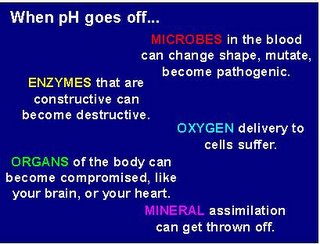
To keep the pH mineral and Vitamens are required. over-acidic food consumption can change the pH. Cigarette smoke is rich in cadmium (the blue color in the smoke). Cadmium is the most neurotoxic substance known to human beings. A low zinc/high cadmium ratio is implicated in learning disabilities. Smoking changes the body pH.
31) Stem cell preservation: Umbilical cord blood is an irreplaceable source of stem cells, like those found in bone marrow, which cannot be duplicates or created by artificial means. Cord blood contains the most potent supply of these life giving stem cells and may be used by your family to fight a host of deadly diseases. While most children will live long and healthy lives, the birth of the child is the only opportunity, your only chance, to possibly protect that child, or a sibling, or other family member against life threatening diseases far into the future. Make the decision to give the gift of cord blood banking to your family member or loved one.
While important advances are being made in cancer therapy, treatments for cancer are a miserable experience and do not always succeed, even when the cancer is detected early. When it comes to cancer, nothing beats prevention. Eat healthy to avoid Chemotherapy.
Let help ourselves from now on at least in things that we know can produce cancer. Cancer happens when we have wrong inputs to our body. Our body is Gods temple and we need to take care of it……….well. God did not create the human body to suffer from cancer, heart attacks, or strokes, can we try to return the body to its original state
We know that a good, balanced diet helps to maintain health. But how our bodies react to food when it reaches the bacteria of our digestive system remains a great mystery. Doctors claims there are more bacteria in and around us than there are cells in our body. It is a new area of science with enormous potential for significant advances in health promotion.
Lets see how mandatory and useful these tips are to be healthy.
1) Do not use plastics in the Freezer at all. It will be much cheaper to buy containers that are made of glass than to pay for in Hospitals. At freezing temperatures plastic produces substance (called dioxines) which is not good for our health and is cancerous. Some food comes with a thin plastic wrapper on it. Never keep that plastic wrapper at on the food in the refrigerator. Remove it and keep the food.
2) Do not heat or cook in Microwave using plastic container at all even if they are compatible. Use glass or porcelain instead. Plastic produces the same substance called dioxins, as in Freezer, in Microwave temperatures which are cancerous. Also they have an influence in the development of the fetus and our children endocrine balance.
3) Do not use mobile for longer durations to speak. 15 min should be the maximum. If we know that it will take more then 15 min. then let’s use Land phone or talk later. It is said that it is better if we use the mobile on the left ear rather than the right ear since it affects the brain directly. Your tariff rates could be much cheaper like the current Re1. Per Minute etc. Do not fall for it.
4) Do not keep on using the empty plastic bottles of distilled water for our daily use at home. Do not use it for more than one or two weeks.
5) Water, while not listed in the food guide pyramid it is quite possibly the most significant nutrient we as humans require. We are made up of about 60% water (H20), somewhere around 84% of our blood is water, 22% of our bone and 75% of our muscles are water.
6) Drink lot of water each day. Make it a habit to take a glass of water in empty stomach in the morning itself.
7) Water comes in different flavors: natural mineral water, pure water, distilled water, filtered water and on and on. Some have natural carbonation and some have it added prior to bottling. carbonized water which contained benzene are Poisonous . Benzene is a poison known to cause cancer and was found in rather high levels as a contaminant of water as a consequence of their carbonation process.
8) If you store water in Plastic container clean and disinfect his or her container regularly at least once in a month or two using your hand. Repeated washing and rinsing can cause the plastic to break down and the carcinogens (cancer-causing chemical agents) can leach into the water that YOU are drinking. Many are unaware of poisoning caused by re-using plastic bottles. Some of you may be in the habit of using and re-using your disposable mineral water bottles (eg. Evian, Aqua, Ice Mountain, Vita, etc), keeping them in your car or at work. Not a good idea. In a nutshell, the plastic (called polyethylene terephthalate or PET) used in these bottles contains a potentially carcinogenic element (something called diethylhydroxylamine or DEHA). The bottles are safe for one-time use only; if you must keep them longer, it should be or no more than a few days, a week max, and keep them away from heat as well. Better to invest in water bottles that are really meant for multiple uses. This is not something we should be scrimping on.
9) Some of the fast food restaurants moved away from the foam containers to paper. The dioxin problem is one of the reasons. But I have seen people having food in news papers too. The printing ink contains lots of unhealthy compounds which are really bad for our health.
10) Before we go in detail, an: Eating Guide line – “Eat Breakfast like a King and Lunch like a Noble man and dinner like a beggar”. Meaning have good solid breakfast and sufficient Lunch and less of dinner. Morning Breakfast should give us the strength to work for the day and lighter dinner means we do not need extra calories to sleep. But I have generally seen that the eating habits are the reverse order.
11) Eat food with lot of fiber. Good sources of fiber are found in Fruits and vegetables. The low level of fiber prevents the colon in our body from cleaning itself. This results in a buildup of toxic matter in the colon. The buildup of toxic matter in the colon can lead to many health problems, the most serious of which is colon cancer. A toxic body also means a weakened immune system and the body's inability to fight disease and illness.
12) General Health : Felicia Cosman, M.D., clinical director of the Foundation, reported recently on a study that confirmed that on a long run women who sit more than nine hours a day were reported to be 50 percent more likely to suffer a hip fracture than those who sit fewer than six hours a day. Get our joints moving! Power walking is an important exercise.
13) Having a full-term pregnancy before age 30 may decrease the risk for developing breast cancer.
14) Breast-feeding may decrease the risk of breast cancer. The benefit appears to be greatest in women who have breast-fed for longer than 12 months or who breast-fed several children.
15) No alcohols or consume less and No smoking (“Give up now and greatly reduce your risk of cancer”). Alcohols and smoking are cancerous especially for women. It is said that it increases the chances of breast cancer. But Red grape wine is good for preventing Cancer
16) Grapes and button mushrooms are good to prevent Cancers. We need to wash them properly due to pesticides that we apply on them. Eating grapes and mushrooms jam-packs us with nutrients, vitamins, and anti-oxidants that help combat infections, prostate cancer, coronary heart disease, and cardiovascular disease. Green onions, celery, bell peppers, carrots, and broccoli proved themselves as essential ingredients to a vitamin-filled diet but they do not help preventing cancer.
17) All cooking oils are bad for health but it’s good to use Olive oils at least 10 days out of 30 days. Olives are good brain food, Some other brain food are Walnuts, Raisons,Badam, Poppy seeds(less qty only), fig etc
18) Protect yourself in the sun and take care not to burn. Skin cancer is a largely preventable disease, but the number of cases has more than doubled so Protect yourself from the sun and harmful UV (esp 11:00 A.M to 3:00 P.M remember to take extra care with children) but research suggests that fifteen minutes a day of direct exposure to sunshine may be beneficial in the prevention and treatment of many forms of cancer. Vitamin D, also known as the “sunshine vitamin”, our skin absorbs the rays and produces vitamin D.
19) If you snack, choose a healthy option such as fresh fruit or low calorie yogurts instead of chocolate or crisps.
20) Talking about fresh foods, oranges, peas, and cauliflower contain a very high capacity of antioxidant. One of the ways of preventing cancer is by taking antioxidant. Our body naturally produces chemical elements (reactive molecules) called free radicals. They can cause permanent damage to our cells. Cancer, aging, and cardiovascular disease are the causes of this damage. To protect us from these diseases, antioxidant plays a great role. What you might not know is that antioxidant may prevent prostate cancer, which is mostly found in men. Antioxidant protects body cells from the bad impacts of free radicals, such as pollution, exhaust fumes, radiation, certain drugs, chemical exposure, and even processed food
21) Don’t heap food on your plate (except vegetables). Think twice before having second helpings. It good to stop eating when you burp.
A portion of Healthy Food. This is roughly equal to:
an apple, orange, banana, or similarly-sized fruit
two plums, nectarines or similarly-sized fruit
a handful or grapes or berries
a slice of melon, pineapple or large fruit
one tablespoon of raisins or other dried fruit
two serving spoons of cooked vegetables, e.g. broccoli or carrots
a dessert bowl of salad
two serving spoons of beans and pulses (only one portion per day)
a 150ml glass of fresh fruit juice or smoothie (only one portion per day)
Beans, pulses can only count towards one portion a day. This is because they are high in fiber but don’t contain the same balance of nutrients as other fruit and vegetables.
Fruit juice can also only count towards one portion a day. This is because they are high in nutrients but low in fiber. And extracting the juice releases sugars which are bad for your teeth.
Mushrooms can also count towards your portions. But try not to fry them in lots of oil as they will readily soak it up.
22 ) If we eat foods that are as close to the state nature produces them we are most likely to get the nutrients we need together with all the other factors our bodies need to use them. This is crucial to any cancer diet.i.e Do NOT OVER COOK.
Ex. A shining example is iron. Our bodies need Vitamin C in order to assimilate iron. However, there are still iron supplements on the market that do not have Vitamin C included in their mix. Now, parsley is a very rich source of iron and, you guessed it, is also full of Vitamin C. To further complicate matters, Vitamin C is heat affected and water soluble, so cooking, particularly in liquids destroys it - hence my assertion that eating foods - in this case parsley - in their natural state is best. Of course this won't work for all foods - potatoes for example - but it is a good strategy to keep in mind when trying to maximize nutrition.
The other reason for eating foods in as near natural state as possible, is that cooking destroys the natural enzymes. Enzymes not only play a crucial role in digestion, and therefore influence the quality of the nutrients we get from our food, but some enzymes, particularly pancreatic enzymes, play a direct role in the fight against cancer.
23) Have no meal without SALADS. The answer to point No. 20. is salads. Using as wide a variety of salad vegetables and incorporating as many different colored salad veggies, is an excellent way to increase your intake of live enzymes But even with hot meals, many raw veggies can be added as a garnish, i.e. parsley chopped up over scrambled eggs. Herbs stirred in a casserole after the heat is turned off. A couple of rings of capsicum on top of cooked fish. Use fruits to dress up a steak or a roast. Even curry leaves can be mixed in low heat. broccoli and cauliflower, celery and carrots in raw form with cottage cheese are good for health. Raw foods into your daily diet, give yourself and your loved ones an edge in the cancer fighting stakes.
24) Phytochemicals are chemicals found in plants that protect plants against bacteria, viruses, and fungi. Eating large amounts of brightly colored fruits and vegetables (yellow, orange, red, green, white, blue, purple), whole grains/cereals, and beans containing phytochemicals may decrease the risk of developing certain cancers as well as diabetes, hypertension, and heart disease. The action of phytochemicals varies by color and type of the food. They may act as antioxidants or nutrient protectors, or prevent carcinogens (cancer causing agents) from forming.
The list below is a partial list of phytochemicals found in foods:
Allicin is found in onions and garlic. Allicin blocks or eliminates certain toxins from bacteria and viruses.
Anthocyanins are found in red and blue fruits (such as raspberries and blueberries) and vegetables. They help to slow the aging process, protect against heart disease and tumors, prevent blood clots, and fight inflammation and allergies.
Biflavonoids are found in citrus fruits.
Carotenoids are found in dark yellow, orange, and deep green fruits and vegetables such as tomatoes, parsley, oranges, pink grapefruit, and spinach.
Flavonoids are found in fruits, vegetables, wine, green tea, onions, apples, kale, and beans.
Indoles are found in broccoli, bok choy, cabbage, kale, Brussel sprouts, and turnips (also known as “cruciferous” vegetables). They contain sulfur and activate agents that destroy cancer-causing chemicals.
Isoflavones are found in soybeans and soybean products.
Lignins are found in flaxseed and whole grain products.
Lutein is found in leafy green vegetables. It may prevent macular degeneration and cataracts as well as reduce the risk of heart disease and breast cancer.
Lycopene is found primarily in tomato products. When cooked, it appears to reduce the risk for cancer and heart attacks.
Phenolics are found in citrus fruits, fruit juices, cereals, legumes, and oilseeds. It is thought to be extremely powerful, and is studied for a variety of health benefits including slowing the aging process, protecting against heart disease and tumors, and fighting inflammation, allergies, and blood clots.
Phytochemicals cannot be found in supplements and are only present in food. Foods high in phytochemicals include the following:
broccoli
berries
soynuts
pears
turnips
celery
carrots
spinach
olives
tomatoes
lentils
cantaloupe
garlic
apricots
onions
seeds
soybeans
green tea
apples
cabbage
Brussels sprouts
bok choy
kale
red wine
25) vitamin C (ascorbic acid)According to the National Cancer Institute (NCI), vitamin C may protect against cancer of the oral cavity, stomach, and esophagus and may also reduce the risk of developing cancers of the rectum, pancreas, and cervix. Also known as ascorbic acid, vitamin C may provide protection against breast and lung cancer.
the following foods are good sources of vitamin C:
one medium orange - 69 mg
1 cup orange juice - 124 mg
1 medium raw green pepper - 106 mg
1 cup raw strawberries - 81 mg
1 cup cubed papaya - 86 mg
1 medium raw red pepper - 226 mg
1/2 cup cooked broccoli - 58 mg
The recommended dietary allowance (RDA) for vitamin C has recently been increased to 75 milligrams per day for women and 90 milligrams per day for men. Safe upper limit = 2.000mg. If on high doses of chemo or nephrotoxins, upper limit = 500mg.
26) Beta caroteneBeta carotene, also known as provitamin A, may help decrease the risk of developing cancer. According to the American Cancer Society, this nutrient may prevent certain cancers by enhancing the white blood cells in your immune system. White blood cells work to block cell-damaging free radicals.
Good sources of beta carotene are dark green leafy and yellow-orange fruits and vegetables. In the body, beta carotene is converted to vitamin A. Eating foods rich in beta carotene is recommended to possibly decrease the risk of developing stomach, lung, prostate, breast, and head and neck cancer. However, more research is needed before a definite recommendation on beta carotene consumption can be made. Overdosing on beta carotene is not recommended. Large doses can cause the skin to turn a yellow-orange color, a condition called carotenosis. High intakes of beta carotene in supplement form may actually cause lung cancer in people at risk, such as smokers, and it is not recommended.While there is a recommended dietary allowance for vitamin A (safe upper limit = 25,000IU or 15mg), there is not one for beta carotene. Examples of some foods high in beta carotene include the following:
carrots
squash
collards
spinach
sweet potatoes
27) Vitamin EVitamin E is essential for our bodies to work properly. Vitamin E helps to build normal and red blood cells, as well as working as an antioxidant. Research is finding evidence that vitamin E may protect against prostate and colorectal cancer. The recommended dietary allowance for vitamin E is 15 milligrams per day. The adult upper limit for vitamin E is 1,000 milligrams per day. Good sources of vitamin E (and the amount each serving contains) include the following:
1 tablespoon sunflower oil - 6.9 mg
1 ounce sunflower seeds - 14 mg
1 ounce almonds - 7.4 mg
1 ounce hazelnuts - 4.3 mg
1 ounce peanuts - 2.1 mg
3/4 cup bran cereal - 5.1 mg
1 slice whole wheat bread - .23 mg
1 ounce wheat germ - 5.1 mg
Since some sources of vitamin E are high in fat. A synthetic form of a vitamin E is available as a supplement. Vitamin E supplementation is probably not needed for most individuals because vitamin E is a fat-soluble vitamin and is stored in our bodies. Very high doses of vitamin E can also interfere with the way other fat-soluble vitamins work. Also, large doses of vitamin E from supplements are not recommended for people taking blood thinners and some other medications, as the vitamin can interfere with the action of the medication. To make sure you are meeting your needs, eat a varied diet that includes whole-wheat breads and cereals.
There is no recommended dietary allowance for antioxidants. Eat a variety of foods, including plenty of fruits and vegetables, to ensure you are getting adequate amounts in your diet.
28) omega-3 fatty acids
Researchers are studying the effects omega-3 fatty acids have on delaying or reducing tumor development in breast and prostate cancer. Since our bodies cannot make omega-3 fatty acids, we must get them from food or supplements. The omega-3 fatty acids include:
alpha-linolenic acid
eicosapentaenoic acid
docosahexaenoic acid
Sources and recommended servings of foods high in omega-3 fatty acids include:
seafood, especially cold-water fish like salmon, mackerel, sardines, herring, halibut, stripped bass, tuna, and lake trout (aim for three to four servings of these fish every week)
flaxseed oil and beans such as kidney, great northern, navy, and soybeans
The American Cancer Society recommends avoiding omega-3 fatty acid supplements in the following situations:
if you take anticoagulant medications or aspirin, as omega-3 fatty acid supplements may increase the risk of excessive bleeding
if you are menstruating, as omega-3 fatty acid supplements may increase the tendency of developing anemia.
if you have elevated cholesterol levels, as omega-3 fatty acid supplements may continue to increase your cholesterol levels
if you are pregnant or breastfeeding (Women should talk to their physicians before taking omega-3 supplements or any dietary supplements.)
29) Eating a healthy diet can reduce your risk of cancer. But it will also help to protect against other conditions such as heart disease, high blood pressure, stroke and diabetes, as well as improve your overall health and wellbeing.
30) Nobel laureate, Dr. Otto Warburg of Germany, won his Nobel Prize for his discovery of oxygen deficiency in the CANCER growth process. When pH is off and our bodies are running more acidic, our cells are getting less oxygen. Cancer thrives under an acid tissue pH/oxygen deficient environment. Is it any wonder today that cancer rates are up? Human blood stays in a very narrow pH range right around 7.3. Below or above this range means symptoms and disease. Total healing of chronic illness takes place only when and if the blood is restored to a normal,
slightly alkaline pH.
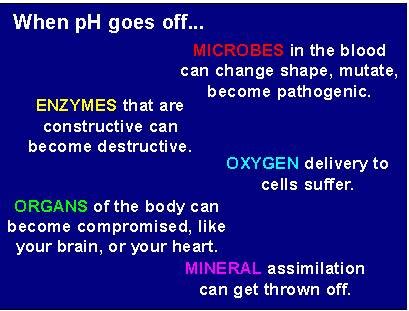
To keep the pH mineral and Vitamens are required. over-acidic food consumption can change the pH. Cigarette smoke is rich in cadmium (the blue color in the smoke). Cadmium is the most neurotoxic substance known to human beings. A low zinc/high cadmium ratio is implicated in learning disabilities. Smoking changes the body pH.
31) Stem cell preservation: Umbilical cord blood is an irreplaceable source of stem cells, like those found in bone marrow, which cannot be duplicates or created by artificial means. Cord blood contains the most potent supply of these life giving stem cells and may be used by your family to fight a host of deadly diseases. While most children will live long and healthy lives, the birth of the child is the only opportunity, your only chance, to possibly protect that child, or a sibling, or other family member against life threatening diseases far into the future. Make the decision to give the gift of cord blood banking to your family member or loved one.
While important advances are being made in cancer therapy, treatments for cancer are a miserable experience and do not always succeed, even when the cancer is detected early. When it comes to cancer, nothing beats prevention. Eat healthy to avoid Chemotherapy.
Monday, June 26, 2006
The "Fairer" Sex

My dear blogbuds and readers,
As I was checking my mail today, I came across this forward. No no .. this is not one of those chain forwards or friendship forwards. Here's an excerpt of what I got -
"An incident took place in Pune - a young girl was raped by a man posing as a plain clothes officer; he asked her to come to the police station when she and her male friend didn't have a driver's license to show. He sent the boy off to get his license and asked the girl to accompany him to the police station. Took her instead to an isolated area where the horrendous crime was committed. The law [which most are not aware of] clearly states that between 6 pm and 6 am, a woman has the right to REFUSE to go to the Police Station, even if an arrest warrant has been issued against her. It is a procedural issue that a woman can be arrested between 6 pm and 6 am, ONLY if she is arrested by a woman officer and taken to an ALL WOMEN Police station. "

Saturday, January 7, 2006 (Noida):
A school girl has reportedly been raped in Delhi's satellite town of Noida.
The 16-year-old was returning from her aunt's home when she was allegedly gangraped on January 5 in Sector 24 of the area.
Monday, January 9, 2006 (New Delhi):
A study indicates that up to 10 million female foetuses may have been aborted in India over the past two decades following prenatal gender checks.Fewer daughters have been born to couples who have not yet had a boy, according to the report published in Britain's leading medical journal Lancet.The journal said researchers studied data on female fertility from a continuing Indian national survey of six million people in 1.1 million households.Analysing information about 133,738 births, the researchers found couples were less likely to have a girl as a second child if their first child was a girl.
Wednesday, January 18, 2006 (New Delhi):
The murder of a call centre employee in Bangalore last month has sparked discussions on improving the safety of women working in late night shifts.
The National Commission for Women is leading the initiative for a safer work place.
The Commission has pointed out that women constitute 40 per cent of the BPO industry's workforce, making a case for the BPOs to overhaul the way it treats female employees.
"We should sensitise male co-workers and empower the women, and provide them self-defence training," said Girija Vyas, Chairperson of the Commission.
Wednesday, January 25, 2006 (Jaipur):
The alleged gangrape of an Anganwadi worker in Rajasthan by two government employees of the Woman And Child Welfare Department has shaken the administration. Lacho Devi, a tribal woman from Karauli district, was allegedly raped by senior officials while she was attending a 10-day programme for Anganwadi workers in Karauli on December 30, 2005. But it is only now that a case has been registered after pressure from social activists and women's groups.
Wednesday, February 15, 2006 (Auraiya):
A sixteen-year-old girl in Uttar Pradesh's Auraiya district paid a heavy price when she resisted a rape attempt, as the attackers chopped her hands off. Anju Gupta was returning home from a local market in her village when three men forced her into a nearby field and tried to rape her. They cut her hands off when she resisted them violently.But that was not the end of trauma for Anju, as the local police refused to register an FIR against one of the attackers, Viresh, whom she recognised as being from her village.
It was only after the intervention of the DIG in Kanpur that the case was registered.
However, the police claim their investigations revealed that Anju had tried to commit suicide when her affair with Viresh became public, and that is how she lost her hand.
Anju and her family can now only hope that her case doesn't become another statistic in the worsening law and order situation in Uttar Pradesh.
Wednesday, March 8, 2006 (New Delhi):
A 22-year old woman was allegedly molested inside the secretariat of Delhi government on Monday. Manju, a resident of Ghaziabad, has accused a supervisor in the maintenance department of molesting her. She had gone there looking for a job. Manju claims that when she reached the secretariat, Ranbeer Singh Negi molested her. What is shocking is that her claims that the incident took place very close to the chief minister's office.
News Courtesy: NDTV.com
Here's some more information, courtesy : Amnesty
- Every two seconds somewhere in the world, a woman is subjected to violence
- At least one in three women has been beaten, coerced into sex, or otherwise abused in her lifetime.
- In Ciudad Juarez and Chihuahua Mexico, over 400 women and girls have been killed or disappeared in the past thirteen years.
- An alarming number of these cases remain unsolved...
- Federal authorities acknowledge that 177 state officials had acted negligently. Not one of them has been brought to justice
So is women's liberation a far fetched fantasy? Why is everyone so callous and indifferent to the woman? Why is she not respected? Why is she being objectified like this? Is a woman nothing but a toy to a man to satisfy all his needs?
Would you be this indifferent if any of the women mentioned above were anyone you knew or cared for? I always wanted to write on this topic. And thanks to NDTV, I was able to give you a 3 month history of some of the snippets relevant to this issue.
These are some horror stories that actually made it to the news.
God only knows how many are suffering in silence, tolerating all atrocites and taking all kinds of abuse. My silent prayers go to them.
I had put up this post on Mar 11th, 2006. To check it out in ma blog, u can click here.
Subscribe to:
Posts (Atom)